
farmparts
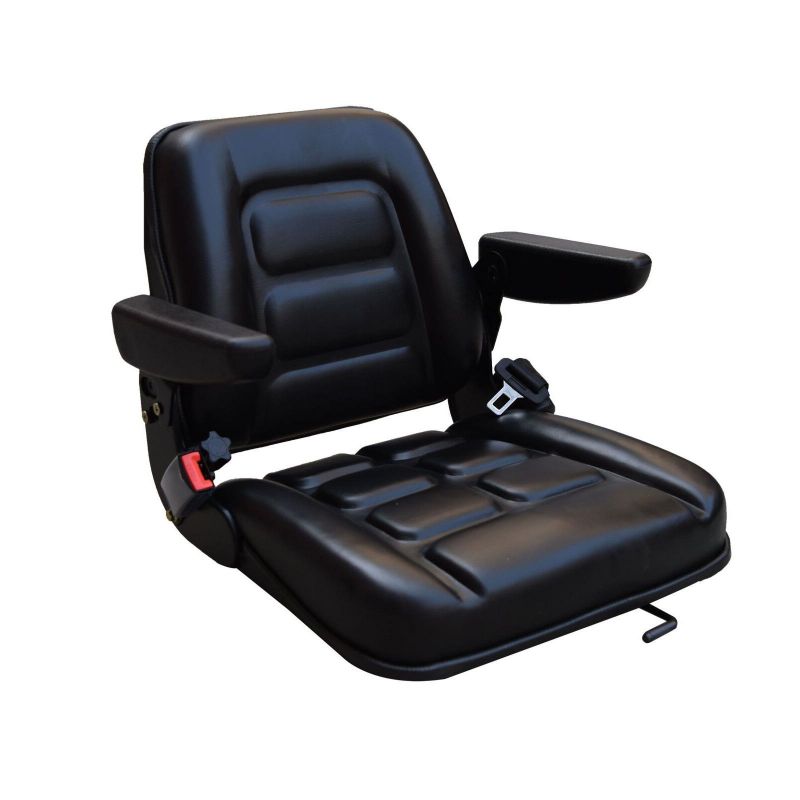
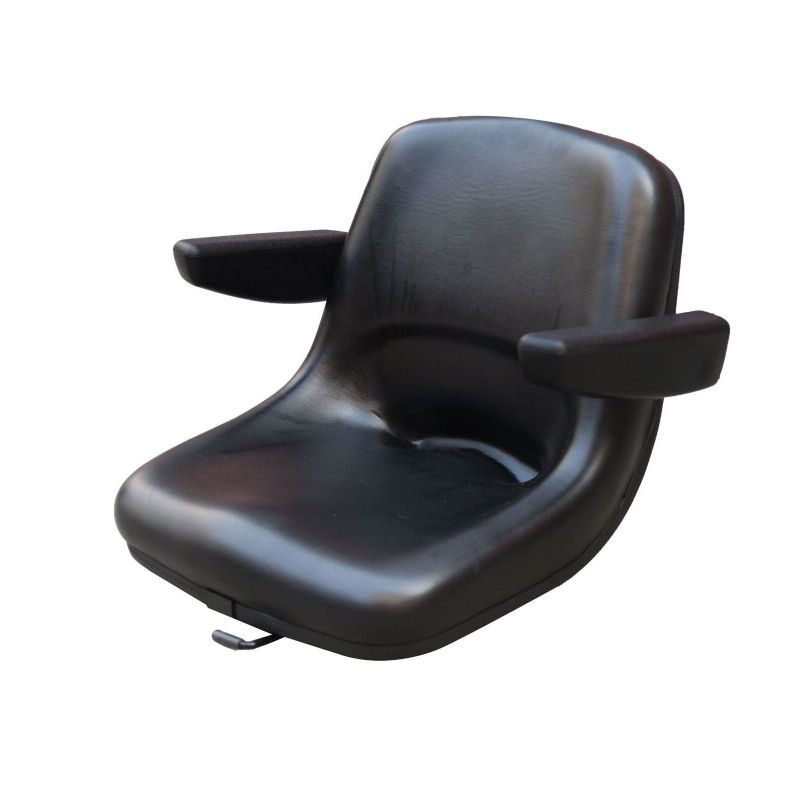
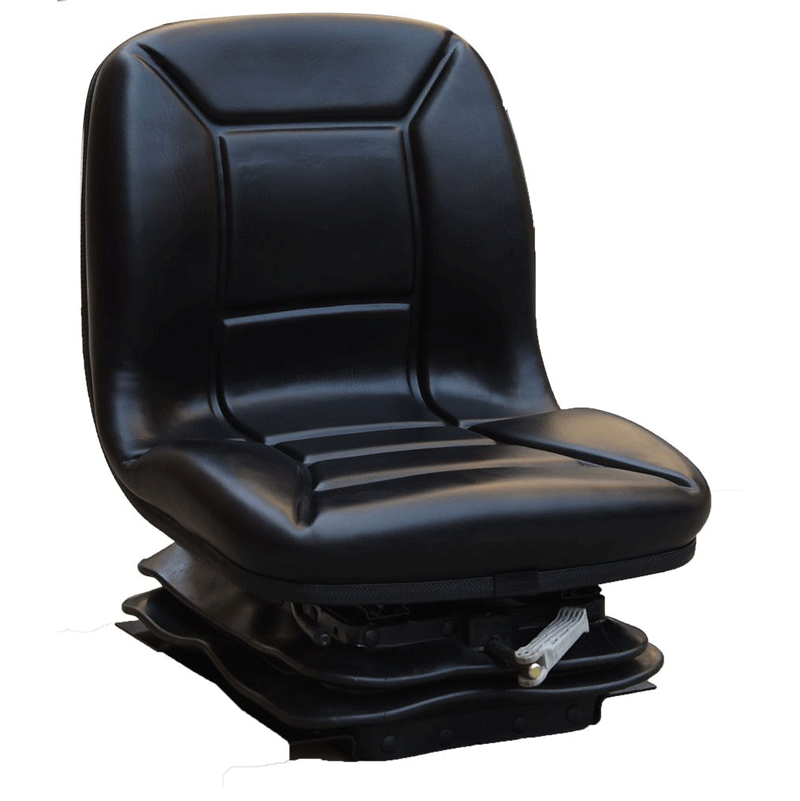
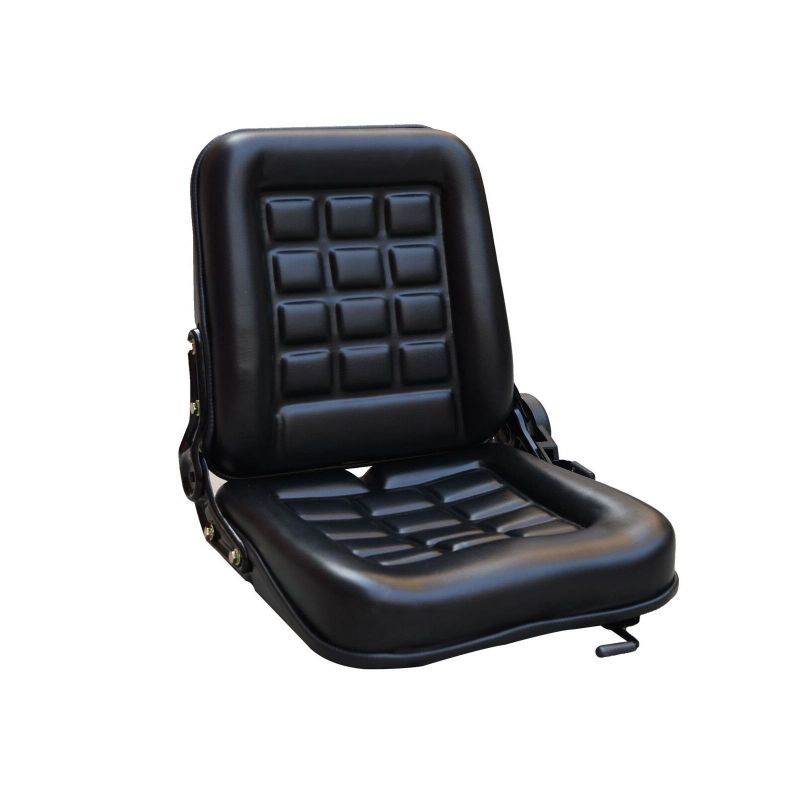
FD-818-3: A Field-Tested Replacement Seat Farmers Actually Keep If you’ve ever bounced across a rough field and felt it in your spine for two days, you know why the right replacement tractor seat matters. I’ve toured enough sheds and service bays to see what fails first: foam that pancakes, stitching that lets in dust, and frames that rattle loose by harvest. The FD-818-3 Seat from Yuhua District, Shijiazhuang, Hebei, China, takes a very different tack—sturdy steel bones, high-density foam, and a vinyl skin that shrugs off mud and UV like it’s nothing. Industry trend check: operators are demanding ergonomic support and measurable vibration reduction, not just “looks tough.” In fact, many customers say they’ll pay a bit more if it saves their back and keeps them alert late in the day. That’s where this model quietly shines. Quick Specs: FD-818-3 Seat Product FD-818-3 Tractor Seat Frame Powder-coated steel, welded joints Cushion High-density foam (≈45–55 kg/m³), ergonomic contour Cover Durable vinyl, UV- and moisture-resistant Adjustability Backrest angle, fore-aft slide (rails), height via spacers Bolt Pattern Common tractor footprints; adapters available Load Rating Up to ≈130 kg (real-world use may vary) Origin Shijiazhuang, Hebei, China Where it fits, and why operators pick it Use it on row-crop tractors, orchard rigs, loaders, or even small construction equipment. Advantages I’ve seen: steadier posture across ruts, less hot-spot fatigue, and vinyl that cleans up fast. In tough seasons, a replacement tractor seat that doesn’t sponge up moisture is a small mercy. Materials, methods, and test regimen Materials: powder-coated steel, high-density foam, UV-stable vinyl, zinc hardware. Process flow: steel cutting → welding → sandblast → powder coat → foam molding → upholstery → final assembly. Testing: vibration exposure vs. ISO 2631-1 guidance; SIP check per ISO 5353; belt anchorage compatibility per ISO 3776; flammability screening aligned with FMVSS 302. Cycles: internal shaker test ≈120,000 cycles at 3–3.5 g; tilt/hinge endurance ≈20,000 actuations. Service life: ≈5–7 seasons or 4,000–6,000 operating hours, depending on conditions. Compliance: materials reviewed against REACH/RoHS considerations (supplier declarations). Customization options Colorways, embroidered logos, alternate rail spacing, armrests, and seat-belt kits are common. There’s also room for suspension bases if you’re chasing lower whole-body vibration. For fleets, a standardized replacement tractor seat spec cuts downtime. Vendor snapshot (indicative) Vendor Certs/Standards Lead Time Warranty Notes Changshu OKJ (FD-818-3) ISO 5353/2631 refs; FMVSS 302 screening ≈2–4 weeks 12 months Ergonomic foam; robust steel frame Vendor A Basic fit, limited vibration data ≈3–6 weeks 6–12 months Lower entry price Vendor B Expanded options; premium upholsteries ≈4–8 weeks 12–24 months Higher cost, strong customization Table is indicative; specs and timelines can vary by order size and destination. Field notes and a quick case One Midwestern grower swapped five mixed-brand seats for FD-818-3 units mid-season. After two months, operators reported less lower-back soreness and roughly 8–12% longer comfortable operating windows—hardly lab science, I admit, but the feedback was consistent. Surprisingly, cleanup time dropped too; the vinyl doesn’t grab grit. Bottom line If you need a dependable replacement tractor seat that won’t cave in after a wet harvest, the FD-818-3 is a practical, no-drama upgrade. Steel where it counts, foam that lasts, and testing aligned with the standards that matter. Authoritative citations ISO 2631-1: Mechanical vibration — Evaluation of human exposure to whole-body vibration ISO 5353: Earth-moving machinery, and tractors — Seat index point ISO 3776: Seat belt anchorages — Agricultural and forestry tractors FMVSS 302: Flammability of interior materials
Our Products
The manufacturer integrates casting machining paint and delivery into one. We can cast logo on the valve
body or as clients' requirements to produce.
body or as clients' requirements to produce.
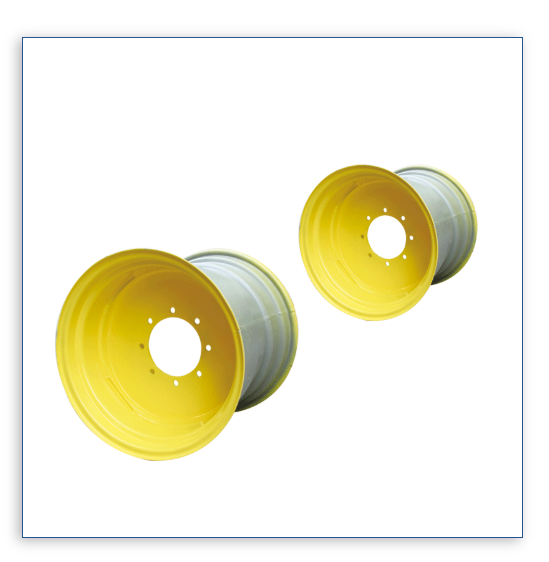

Success Cases
The manufacturer integrates casting machining paint and delivery into one. We can cast logo on the valve
body or as clients' requirements to produce.
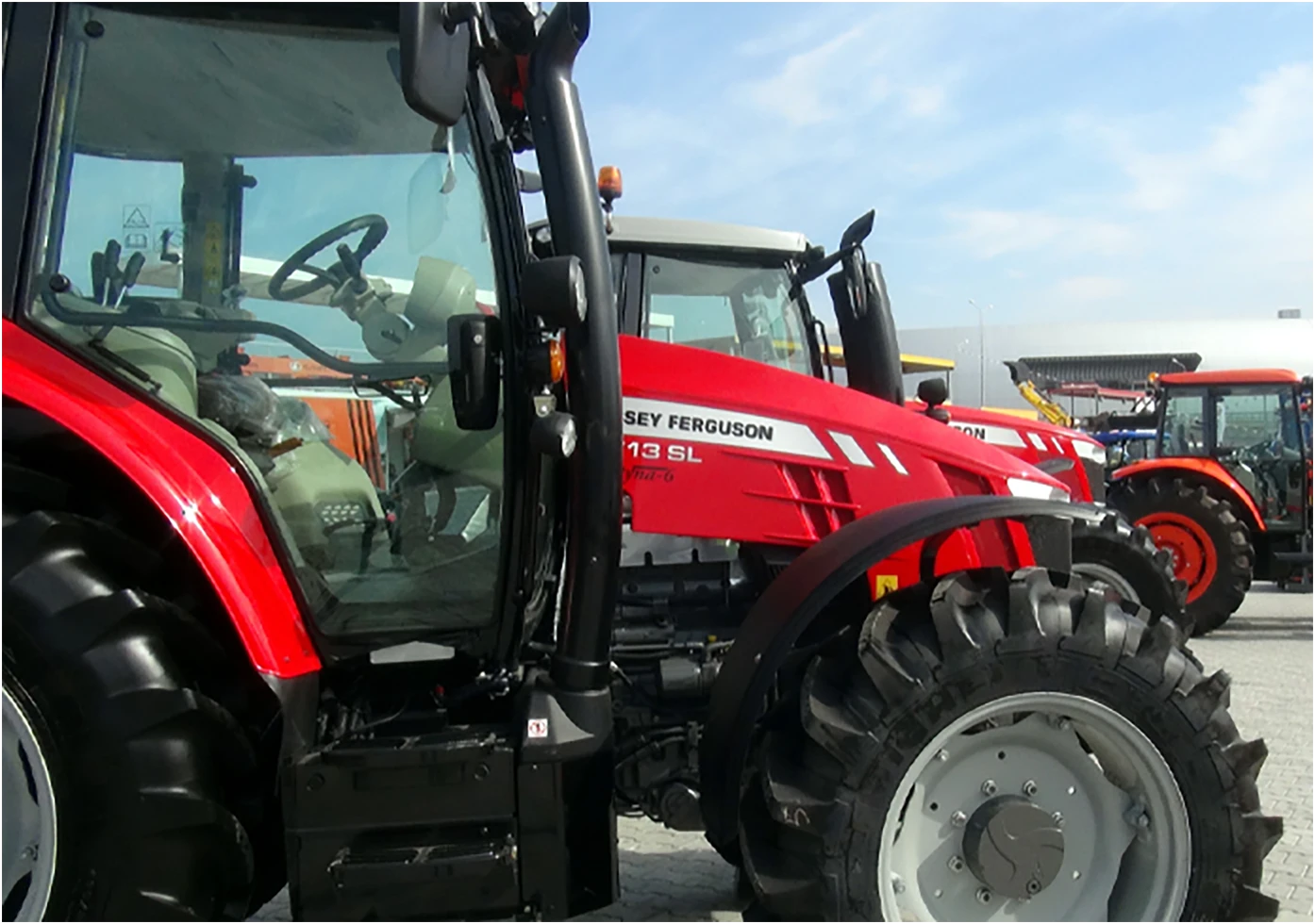
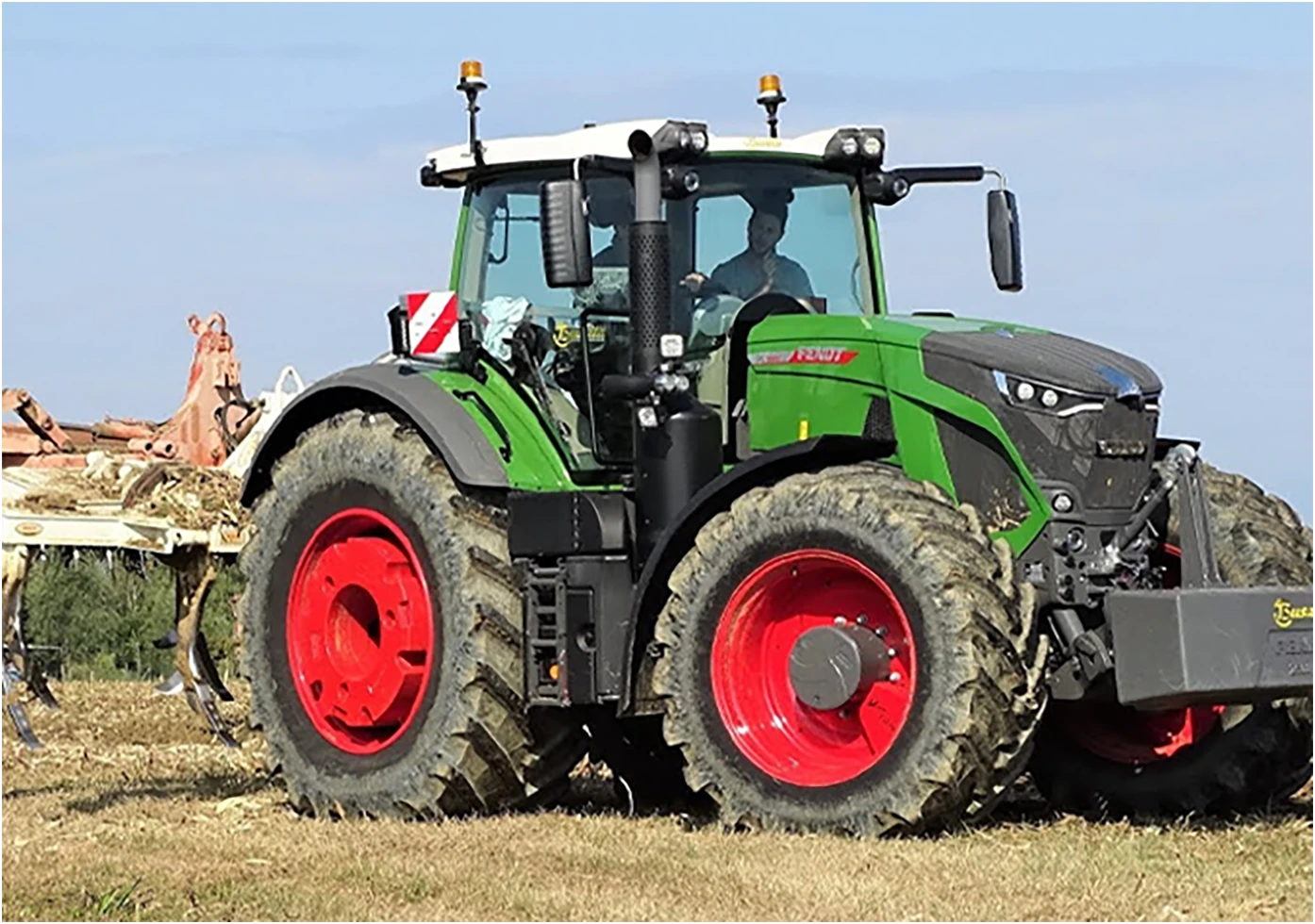
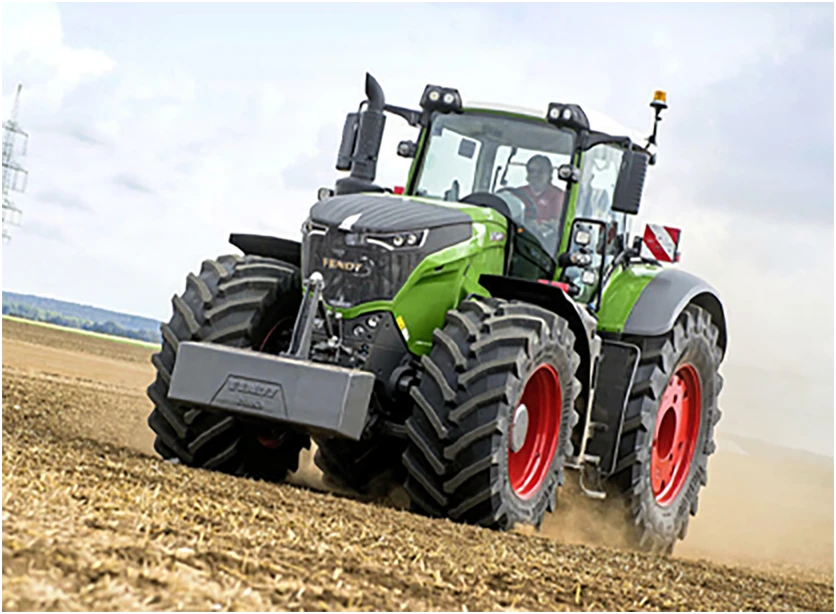
advantages
Unlock Exclusive Advantages
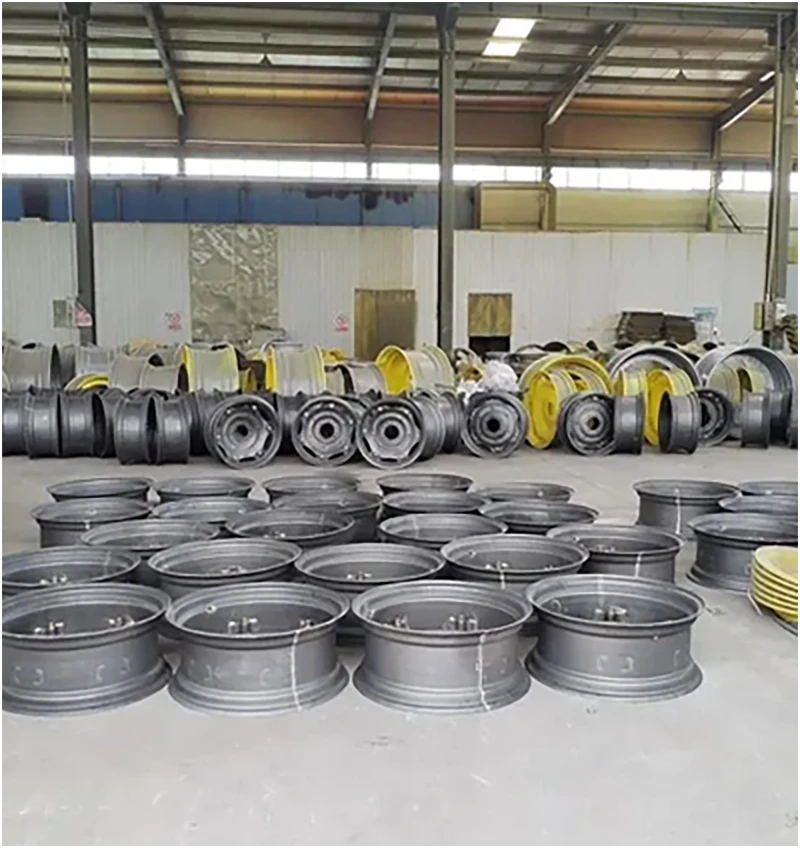
Changshuo Tech specialize in manufacturing and exporting for electric cable and tractor
wheel rim & seats for over than 20 years.
wheel rim & seats for over than 20 years.
-

 Delivery TimeOrders can be delivered in 2-3 weeks after the confirmed and prepayment-paid
 -

 Cooperate ImportersMore than 10importers from Southeast Aisa for cables and 30 importers for tractor spare parts
 -

 After-Sale Service24 hour-service is available after sale, any problems will be resolved by negotiate
 -

 PackageStandard export Package, OEM or ODM package is available
Recent Important Stories
Changshuo Tech specialize in manufacturing and exporting for electric cable and tractor
wheel rim & seats for over than 20 years.
wheel rim & seats for over than 20 years.
-
-
-
2026-04-06 01:37
Comfortable Tractor Seats for Sale | Durable & Affordable Options


